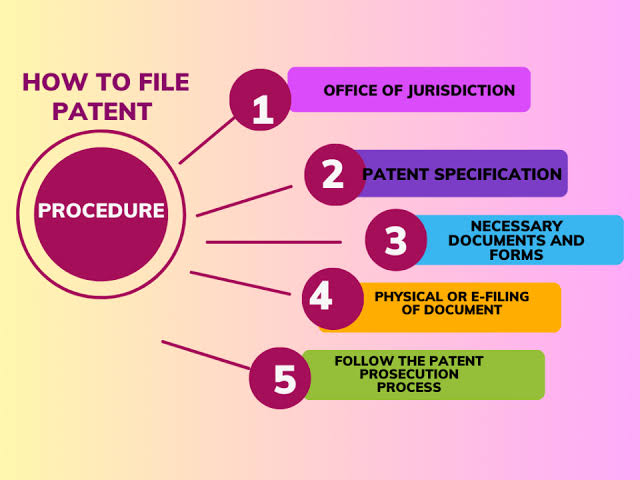
 Patent Application Support to Avoid Costly Delays
  Warner Paramount Merger: A Proven Boom for Cinema
  Cryptocurrency Market Transparency In Virtual Exchange Operations
  Discover Transparent Plan Costs via CompareMedicareAdvantagePlans.org
  Tips for Setting Up and Using MetaTrader 4 on Android Devices for Seamless Trading
  How to Improve Accuracy Without Overthinking
  How to Stay Connected on the Manaslu Circuit
Title: The Benefits of Meditation
Meditation is an ancient practice that has been around for centuries. It involves focusing one’s attention and redirecting it to achieve a state of mental clarity and emotional calmness. While it is commonly associated with spirituality and religion, its benefits extend beyond its religious context. In fact, meditation is now widely practiced in secular settings as well. In this article, we will explore the numerous benefits of meditation.
1. Reduces Stress and Anxiety
One of the most well-known benefits of meditation is its ability to reduce stress and anxiety levels. Research has shown that regular meditation can help lower cortisol levels, which is known as the stress hormone. Additionally, meditation can also help individuals manage symptoms of anxiety disorders like panic attacks, phobias, and obsessive-compulsive disorder.
2. Improves Sleep
Meditation has been found to improve sleep quality, and the effects are long-lasting. A study published in JAMA Internal Medicine found that participants who practiced mindfulness meditation experienced improved sleep quality after six weeks of regular practice. Poor sleep is associated with a host of health issues, including obesity, diabetes, and cardiovascular disease, so improving sleep quality can have a significant impact on overall health.
3. Enhances Emotional Well-being
Meditation has been shown to improve emotional regulation and increase feelings of well-being. Research has found that regular meditation practice can reduce symptoms of depression, and improve overall mood. Additionally, meditation has been found to increase feelings of compassion, empathy, and kindness towards oneself and others.
4. Improves Cognitive Functions
Meditation has been found to enhance cognitive functions such as attention, memory, and decision-making. In a study published in Frontiers in Human Neuroscience, participants who practiced mindfulness meditation for four days improved their attention and cognitive flexibility. Additionally, research has shown that meditation can help individuals manage symptoms of ADHD, and assist with addiction recovery.
5. Reduces Pain
Meditation has been found to help reduce chronic pain. A study published in the Journal of Pain found that mindfulness meditation was effective in reducing pain intensity and duration. Additionally, meditation can help individuals manage symptoms of conditions such as fibromyalgia, migraines, and arthritis.
Conclusion
Meditation has numerous benefits for both physical and mental health. From reducing stress and anxiety to improving sleep quality and cognitive functions, there are several reasons why you should consider making meditation a regular practice. With so many different techniques and styles of meditation available, finding one that works for you is possible, even if you’re a beginner. So why not give it a try and see what benefits meditation can bring you.