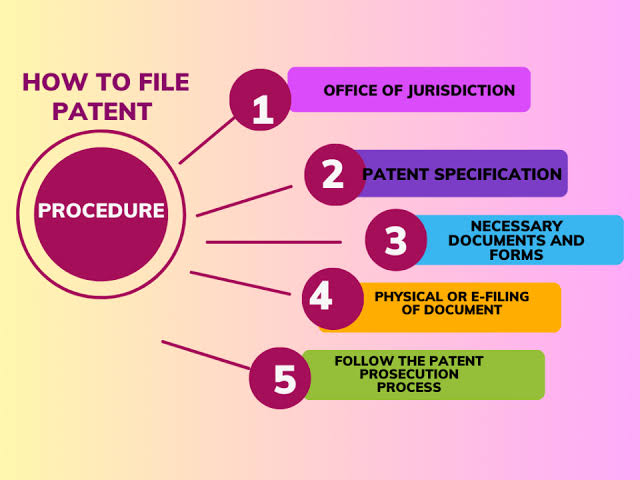
 Patent Application Support to Avoid Costly Delays
  Warner Paramount Merger: A Proven Boom for Cinema
  Cryptocurrency Market Transparency In Virtual Exchange Operations
  Discover Transparent Plan Costs via CompareMedicareAdvantagePlans.org
  Tips for Setting Up and Using MetaTrader 4 on Android Devices for Seamless Trading
  How to Improve Accuracy Without Overthinking
  How to Stay Connected on the Manaslu Circuit
Title: How Online Learning is shaping Education in the 21st Century
Over the past decade, online learning has emerged as a powerful tool that is transforming the landscape of education globally. Traditional classrooms are being supplemented or replaced entirely by online courses that offer students access to a range of courses from the comfort of their homes.
The rise of online learning has been driven by the rapid advancements in digital technology and increasing global demand for accessible and flexible education. Today, anyone with an internet connection and a computer or mobile device can access education from some of the most prestigious institutions in the world.
One of the key benefits of online learning is its flexibility. Unlike traditional classroom-based education, which relies on a fixed timetable and location, online courses allow students to learn at their own pace, from virtually anywhere in the world. This makes it easy for students to balance their studies with work, family, and other commitments.
Online learning has also proven to be incredibly cost-effective when compared to traditional classroom-based education. Online courses are generally less expensive than their offline equivalents, as they do not require physical infrastructure, which often translates into lower tuition fees. Additionally, online courses frequently allow students to save money on travel and living costs.
Online learning has also proven to be an effective way to help learners develop a range of essential skills that are in high demand in the modern world. Digital literacy, time management, and self-discipline are all fundamental skills required to succeed in online learning. These skills are essential in today’s fast-paced world, where digital technologies play a crucial role in almost every aspect of our lives.
Another significant benefit of online learning is its ability to promote equity and accessibility. With online courses, learners can join from remote areas, or students who traditionally faced barriers to education, such as those with disabilities or those from poor socioeconomic backgrounds.
In conclusion, online learning has the potential to democratize education, making it more accessible and affordable to millions of learners worldwide. The evolution of online learning will continue to shape the future of education, and as educators, we must embrace this new era fully. By utilizing technology effectively, we can provide quality education that equips students with the knowledge and skills they need to thrive in the 21st century.